TL;DR:
- Most German consumers shop across multiple platforms before buying.
- Dutch SMEs often underestimate the importance of a coordinated multichannel approach in Germany.
- Success depends on consistent branding, localised content, compliance, and ongoing channel management.
Over 80% of German consumers shop across multiple platforms before making a purchase, yet most Dutch SMEs enter Germany with a single-channel mindset. They launch a webshop, run a few Google Ads, and wait. The results rarely match expectations. Germany is not a market you crack with one tactic. Its shoppers compare obsessively, trust specific platforms deeply, and expect a seamless experience wherever they find you. This guide gives you a clear, practical roadmap for building a multichannel presence in Germany that actually converts, covering the channels that matter, how to manage them without losing your mind, and the pitfalls that quietly derail even well-funded Dutch businesses.
Table of Contents
- Why multichannel matters in the German market
- Key channels for Dutch SMEs: What works in Germany
- Strategies for integrating and managing channels
- Overcoming localisation, legal, and budget pitfalls
- Our perspective: What Dutch SMEs miss about multichannel in Germany
- Expand your reach: How we help Dutch SMEs succeed in Germany
- Frequently asked questions
Key Takeaways
| Point | Details |
|---|---|
| German shoppers use many channels | You must appear across platforms and offline to earn German buyers’ trust. |
| Native localisation is a must | Translate and adapt all content, processes, and offers to local expectations, not just the language. |
| Manage channels strategically | Use digital tools to coordinate campaigns and customer journeys across web, marketplaces, and stores. |
| Budget for competition | Allocate extra funds for localisation, risk, and adapting to the demanding German market. |
Why multichannel matters in the German market
German consumers are not passive buyers. They research on Google, check Amazon reviews, compare prices on idealo.de, visit a brand webshop, and sometimes walk into a physical store before finally clicking “kaufen.” This behaviour is not a quirk. It is the standard. Any Dutch SME that assumes a single well-designed webshop is enough to win German customers is setting itself up for a frustrating experience.
The multichannel growth in Germany statistics speak clearly. German shoppers are among the most channel-diverse in Europe, and they expect consistency at every touchpoint. A product page that looks different on your webshop than on Amazon.de will erode trust immediately. German buyers notice. They care.
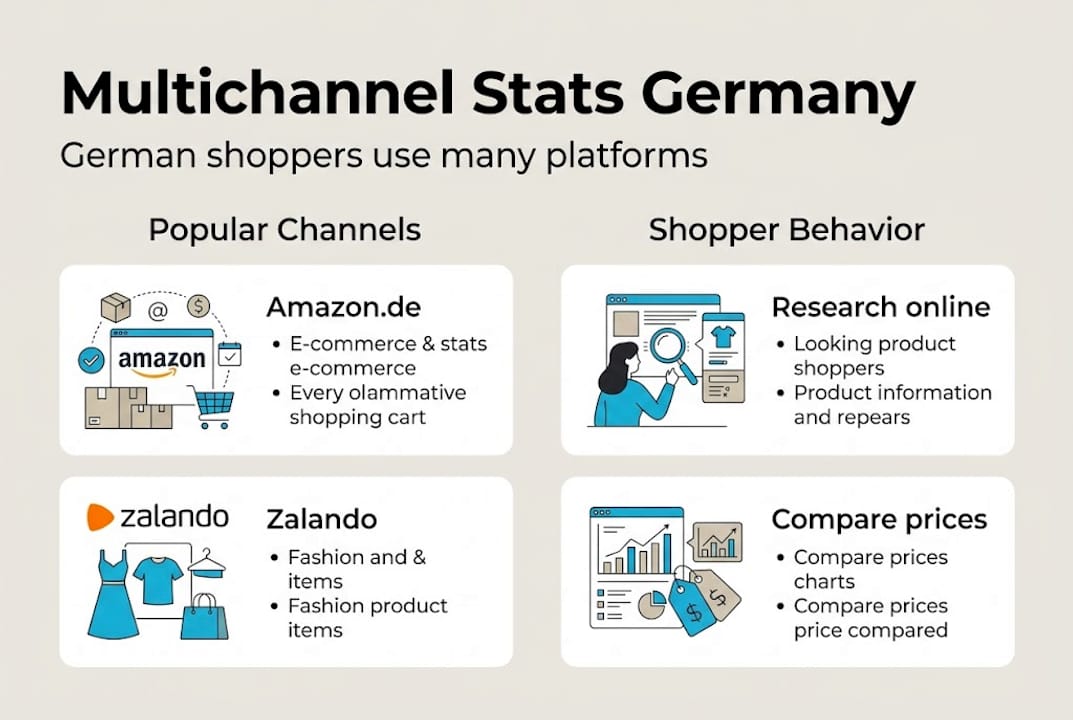
Why does this raise the bar so steeply for foreign SMEs? Because being present on one platform is not enough. You need to be recognisable across all relevant platforms simultaneously. That means coherent branding, consistent pricing, and matching product descriptions whether someone finds you via Google.de, a marketplace, or a price comparison tool.
For retail SMEs, using multichannel and digital tools directly improves competitiveness. The data confirms what experienced exporters already know: single-channel businesses in Germany plateau quickly, while those who invest in multiple touchpoints compound their visibility and conversion rates over time.
Here is what Dutch SMEs consistently underestimate:
- German shoppers use comparison sites (Idealo, Geizhals) as a standard part of their purchase journey
- Returns are expected to be easy, fast, and free, regardless of which channel the purchase was made on
- Brand awareness built on one channel reinforces trust on every other channel
- Offline presence, even a simple click-and-collect option, lifts online conversion in Germany
“The German market does not reward the loudest brand. It rewards the most consistent and trustworthy one.”
For B2C strategies for SMEs in Germany, this means the foundation is not your product. It is your presence across channels and the trust signals you build at each one.
Key channels for Dutch SMEs: What works in Germany
Once you accept that Germany demands a multichannel approach, the practical question becomes: which channels should you prioritise? Not every platform is worth your time and budget, especially if you are a small or medium-sized business with limited resources.
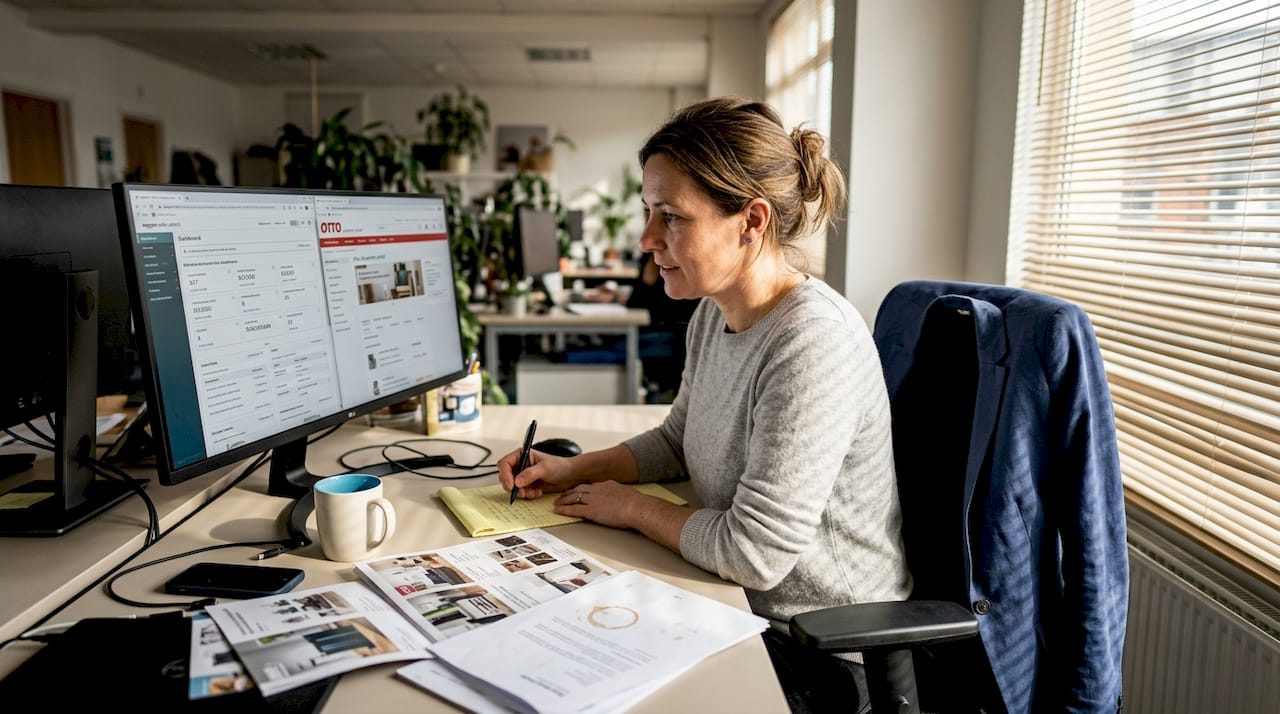
The top channels in Germany for broad reach are Amazon.de, Zalando, and Otto.de. These three marketplaces dominate German online retail and serve very different buyer profiles. Amazon.de works for almost every product category and is where most German consumers begin their product searches. Zalando dominates fashion and lifestyle. Otto.de appeals to a slightly older, home and lifestyle-focused demographic.
| Channel | Best for | Trust level | Cost model |
|---|---|---|---|
| Amazon.de | Broad reach, electronics, general goods | Very high | Commission per sale |
| Zalando | Fashion, footwear, accessories | Very high | Wholesale or Partner model |
| Otto.de | Home, lifestyle, fashion | High | Commission or wholesale |
| Own webshop | Brand building, margins, loyalty | Medium (builds over time) | Fixed + marketing spend |
| Idealo / Geizhals | Price-sensitive buyers | High as comparison tool | Cost per click |
Beyond marketplaces, your own German-language webshop remains critical. It is where you control the brand story, collect customer data, and achieve better margins. Platforms own their audiences. Your webshop is yours.
Here is what the channel mix should achieve for you:
- Marketplace presence for immediate reach and trust transfer
- Own webshop for margin, brand identity, and long-term customer relationships
- Comparison site listings for price-conscious segments
- Google Shopping and paid search for intent-driven traffic
Pro Tip: Do not try to launch on all channels at once. Start with Amazon.de and your webshop simultaneously. Once those are optimised and profitable, layer in Zalando or Otto.de. Spreading too thin too fast is how Dutch SMEs burn their Germany budget without seeing results.
Localising your marketing for each platform is not optional. German buyers on Amazon.de respond to different cues than buyers on Zalando. Understanding those nuances is part of what separates businesses that grow in Germany from those that stall. Staying current on top e-commerce trends in Germany helps you anticipate platform shifts before they impact your sales.
Strategies for integrating and managing channels
Running multiple channels without a clear integration strategy is a recipe for chaos. Prices go out of sync. Stock disappears on one platform but stays live on another. Customer service queries arrive from three directions with no unified response system. This is not hypothetical. It is what happens to most SMEs who expand to Germany without a plan.
The good news is that digital tools have made channel management significantly more accessible for smaller businesses. Here are the essential steps for a coherent multichannel operation:
- Use a centralised inventory management system. Tools like Channable, ChannelEngine, or Plentymarkets sync your stock, pricing, and product data across all platforms in real time. This prevents overselling and keeps listings consistent.
- Standardise your product content before publishing anywhere. Write all product descriptions in native German first, then adapt tone for each platform. Amazon.de demands keyword-optimised bullet points. Your webshop can use more narrative language.
- Set up a unified customer service inbox. Tools like Freshdesk or Zendesk pull in queries from every channel. This means no German customer gets left waiting because their Amazon message sat in a different inbox.
- Track channel performance with consistent KPIs. Revenue per channel, return rate per channel, and customer acquisition cost per channel will tell you where to invest more and where to pull back.
- Review and rebalance quarterly. The German market shifts. What worked in Q1 may need adjusting by Q3.
For SMEs, retail competitiveness through digital adoption is not about having the biggest budget. It is about using tools intelligently to punch above your weight class.
| Tool type | Example tools | Primary benefit |
|---|---|---|
| Feed management | Channable, ChannelEngine | Synced listings across platforms |
| Customer service | Freshdesk, Zendesk | Unified inbox for all channels |
| Analytics | Google Analytics 4, Tableau | Cross-channel performance tracking |
| ERP / inventory | Plentymarkets, Exact | Real-time stock and order management |
When measuring German marketing campaigns, look beyond clicks and impressions. In Germany, trust signals like verified reviews, fast response times, and transparent return policies contribute directly to conversion. And when it comes to generating leads in Germany, a coordinated multichannel presence creates far more touchpoints than any single campaign ever could.
Overcoming localisation, legal, and budget pitfalls
Many Dutch SMEs assume that translating their existing marketing materials into German is sufficient. It is not. Translation produces technically correct German text. Localisation produces German content that feels natural, credible, and trustworthy to a German buyer. These are fundamentally different outcomes.
German consumers are particularly sensitive to language that feels foreign or automated. Overly formal phrasing, Dutch sentence structures translated directly into German, or product names that carry different connotations in Germany can all quietly kill conversion. Native localisation means adapting your tone, humour, seasonal references, and even your imagery to match German expectations.
Beyond language, there are practical and legal requirements that catch Dutch SMEs off guard:
- German VAT registration is required once you exceed the distance selling threshold. In 2026, the EU OSS scheme simplifies this, but you still need to register and file correctly.
- Returns law in Germany is strict. Consumers have 14 days to return most goods, and your returns process must be clearly communicated and easy to execute. Poor returns handling is one of the fastest ways to accumulate negative reviews.
- Impressum requirement: every German-facing website and marketplace listing needs a legally compliant Impressum (legal notice). Missing or incomplete ones can result in costly legal warnings (Abmahnungen).
Pro Tip: Allocate 20% extra budget as a risk buffer when entering Germany. The market is competitive, testing takes time, and unexpected legal or compliance costs are common. SMEs who budget tightly with no buffer often have to pause their Germany strategy at the worst possible moment.
Working with specialists in marketing localisation for Germany and staying informed on German webshop requirements will save you significant time and money compared to learning these lessons the hard way.
Our perspective: What Dutch SMEs miss about multichannel in Germany
After working with Dutch businesses entering Germany for over 17 years, we have noticed a consistent pattern. The SMEs who struggle focus on visibility. The ones who succeed focus on trust. Those are not the same thing.
You can be visible on Amazon.de, rank on Google.de, and run solid Google Ads campaigns, and still fail to convert German buyers if your after-sales experience is weak. Germany has a returns culture. A complicated returns process or slow customer service response is not just an inconvenience; it generates negative reviews that undermine every euro you spend on marketing.
The other thing most Dutch SMEs miss is that multichannel in Germany is not a launch strategy. It is an ongoing commitment. The businesses that see the best results treat their German market presence as a living system that requires monthly attention, quarterly rebalancing, and constant local adaptation. A one-off campaign will not build the sustained trust that German consumers expect. Investing in conversion strategies for Dutch SMEs in Germany as an ongoing practice, rather than a one-time setup, is what separates the businesses that grow from those that plateau after six months.
Expand your reach: How we help Dutch SMEs succeed in Germany
Building a profitable multichannel presence in Germany takes more than good intentions. It requires native expertise, the right tools, and a strategy that accounts for the specific behaviours and expectations of German consumers.
At Duitsewebsite.nl, we have been helping Dutch SMEs grow in Germany for over 17 years. Our team of native German specialists handles everything from online marketing in Germany to full channel integration, localisation, and compliance. Whether you are just starting out or looking to scale an existing German presence, we build strategies that fit your budget and your goals. Our SEO guide for Germany is a strong starting point if you want to understand how search visibility fits into your broader multichannel strategy. Get in touch and let us show you what targeted, expert support can do for your Germany results.
Frequently asked questions
What are the critical channels for selling to German customers?
Amazon.de, Zalando, and Otto.de provide the broadest reach for online sales, but combining these marketplaces with your own webshop and offline options is what builds lasting trust with German buyers.
What localisation steps do Dutch SMEs need beyond translation?
Native localisation means adapting your wording, visuals, offers, and returns process to German consumer expectations, not simply converting Dutch text into German.
Are there legal requirements for multichannel selling in Germany?
Yes. You must comply with German VAT and returns laws and include a legally compliant Impressum on every German-facing website or listing.
How much marketing budget should SMEs allocate for Germany?
Buffer at least 20% extra for risks and testing, as the German market is highly competitive and compliance costs can arise unexpectedly during your first year.
Recommended
- Online zichtbaarheid Duitse markt: Nederlandse MKB gids 2026 – Duitsewebsite.nl
- Effectieve b2c strategieën voor mkb in Duitsland 2026 – Duitsewebsite.nl
- Succesvol zakendoen in Duitsland: gids voor groei – Duitsewebsite.nl
- Digitale Marketing Trends Duitsland voor Nederlandstalige bedrijven – Duitsewebsite.nl